Evaluating Investment in Packaged Meals
This case study analyzes whether Uber Eats should invest in packaged meals(Ready to eat), considering its existing services such as online food delivery, scheduled deliveries, and grocery ordering.
Packaged Meals - ready to eat meals includes:
Fully prepared, heat-and-eat options requiring no cooking or assembly.
Nutritionally balanced meals catering to various dietary preferences.
Convenient, single-serve or family-sized portions for different customer needs.
The Market:
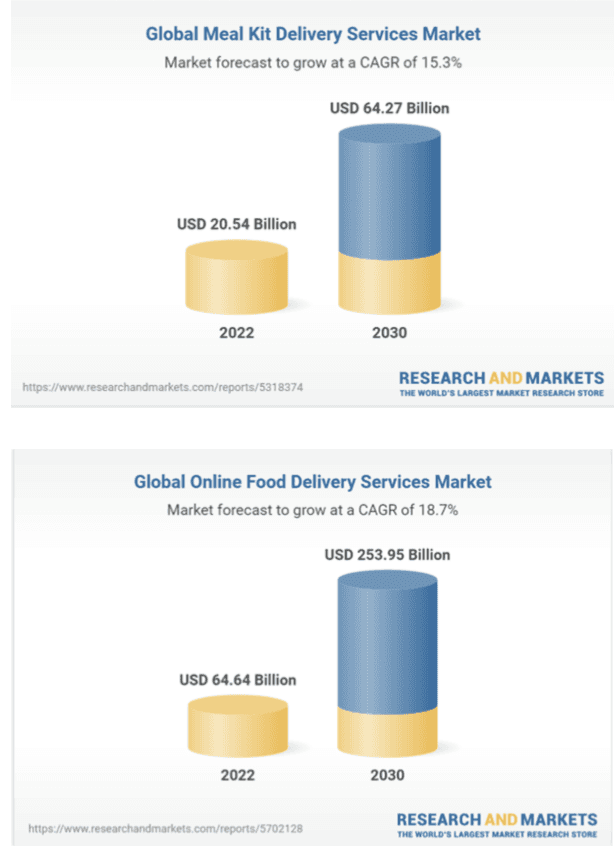
The Heat & Eat meal kit market in the U.S. has an expected compounded annual growth rate of 15.3%, almost close to the online food delivery market’s expected CAGR of 18.7%.
Consumers prioritize health-conscious, time-saving, and affordable meal solutions, particularly post-pandemic.
Growth in single-person households and work-from-home trends has increased demand for quick meal options.
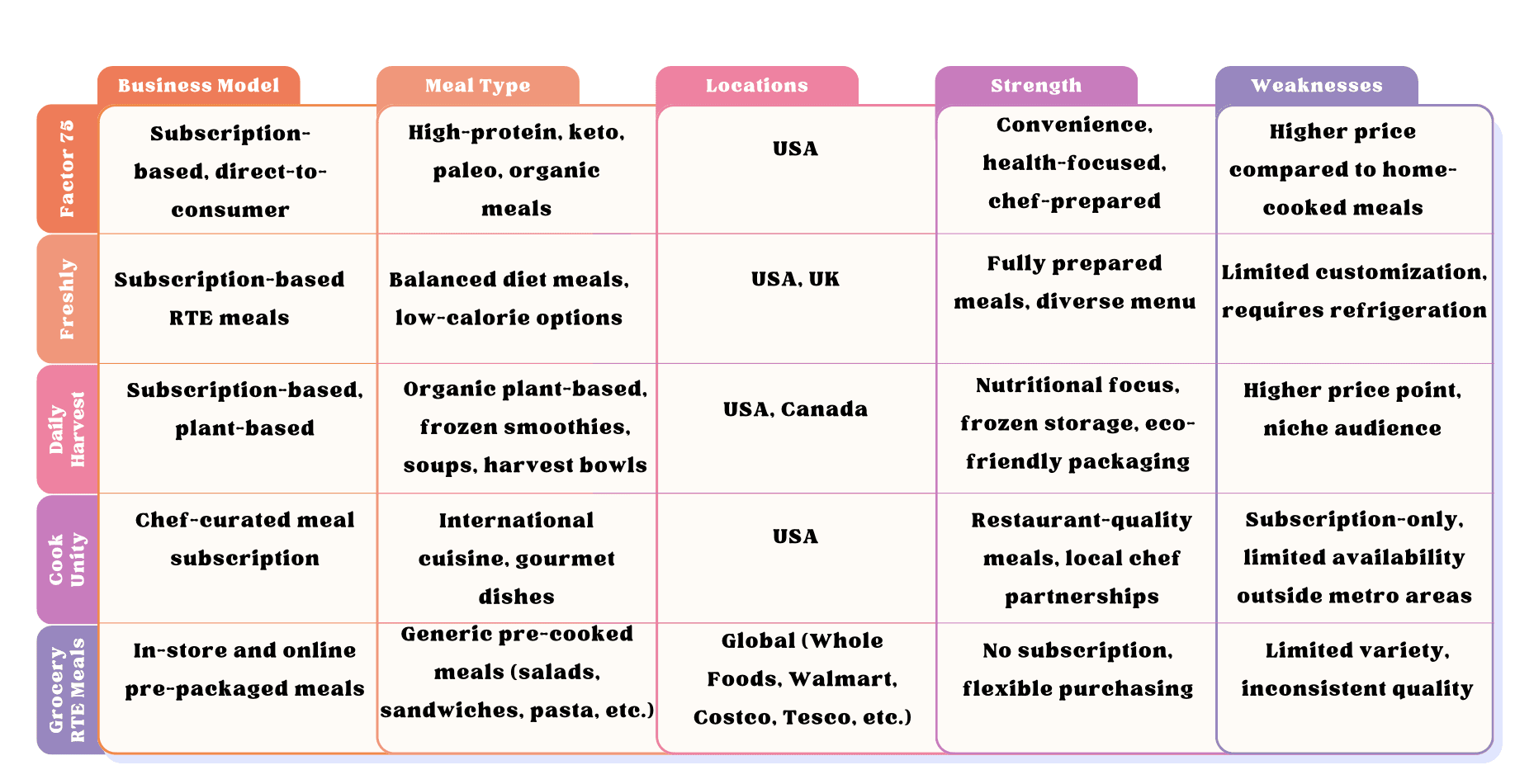
Ready to Eat Companies:
Growth Potential:
Uber Eats' existing customer base provides a built-in audience for cross-selling ready-to-eat meals.
Consumers seek convenience without compromising nutrition, making RTE meals a compelling offering.
Busy Professionals
Health Conscious
User Personas
Busy Professionals – Seeking quick, nutritious meals with minimal prep time.
Health-Conscious Consumers – Prefer portion-controlled, healthy meals with clear ingredient lists.
Families & Parents – Looking for cost-effective meal planning solutions with balanced nutrition.
Elderly Consumers – Require easily accessible, ready-to-eat meals with dietary considerations.
Pain Points:
Consumers seek affordable meal options, especially in economically uncertain times.
Online restaurant food on average costs around $25 per meal.
Packaged meal services like Freshly offer meals at an average of $13/meal, saving $12 per meal (Freshly, 2023)).
A McKinsey & Company survey reveals that 82% of U.S. consumers now prioritize wellness, indicating a strong demand for health-conscious food options, and this trend is also seen in the UK and China. (Mckinsey.com)
Convenient and Time - Saving
It requires only 2-3 minutes to heat up and can last 5-7 days in fridge.
Uber eats users are similar to packaged Meal users. Moreover, we see a growing market for Ready To Eat (RTE) meals and implementation of the RTE meals can cater the existing pain points of the people.
MVP for the product:
Minimum Viable Product (MVP) Features
Dedicated RTE section in the app
Basic meal variety (5-10 options)
Same-day delivery using existing fleet
Clear pricing & nutritional info
Scheduled meal delivery (weekly plans)
Packaged Meal restaurants are updated and added
What should be in MVP
Phases:
Phase 1 - Core MVP Launch: Focus on essential features like partnerships, RTE app section, and clear pricing.
Phase 2 - Enhanced Offering: Introduce scheduled deliveries and targeted promotions.
Phase 3 - Scale & Optimization: Expand to new regions, integrate Uber-branded meals, and introduce sustainable packaging.